Cutting Steel and Aluminum with an OMAX Waterjet
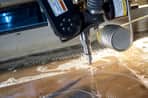
A job hits the schedule at 8 a.m. Aluminum brackets first. Stainless panels after lunch. A carbon steel fixture before the end of the shift. That mix is normal in fabrication, and it is exactly why OMAX waterjets belong in the conversation early. Steel and aluminum are everyday work for machine shops, metal service centers, job shops, aerospace suppliers, marine fabricators, and general manufacturers. When they move through the shop every day, the way they are cut affects throughput, finishing, labor, quoting, and the margin left when the job ships.
Why Steel and Aluminum Need the Right Cutting Process
Steel and aluminum are common enough to feel simple until something goes wrong. Stainless can discolor or lose corrosion performance when too much heat gets into the edge. Aluminum can move, warp, or pick up edge conditions that create extra work downstream. A part may look acceptable when it comes off the table, then fail later when it will not sit flat, fit a fixture, weld cleanly, or meet the customer’s finish expectation.
That is where OMAX abrasive waterjet earns its place. OMAX waterjets cut with a high-pressure stream of water mixed with garnet abrasive. The process erodes the material instead of melting it, so the cut stays cold. No heat-affected zone. No burn marks. No thermal distortion to chase afterward. For a shop moving between steel and aluminum, the operator changes the setup and the program, not the basic cutting method.
How OMAX Abrasive Waterjet Cutting Works
At the machine, the process is straightforward. The pump pressurizes the water. The cutting head focuses it. Garnet abrasive enters at the nozzle and does the work as the stream moves through the material. That narrow abrasive stream can follow detailed geometry through aluminum, stainless steel, carbon steel, tool steel, titanium, copper, brass, and many non-metal materials that show up in mixed shops.
The practical advantage is flexibility. A reflective aluminum plate does not create the same problem it can for some thermal processes. A stainless part does not need to absorb heat just to get cut. With an OMAX system, a shop can quote a prototype bracket, a production nest, a repair plate, and a thick fixture without moving every job to a different machine.
Why Cold Cutting Matters
Cold cutting matters because the customer chose the material for a reason. Aluminum may need to hold its temper. Stainless may need to retain corrosion resistance. A machined component may need a stable blank before it goes to the next operation. When the cut does not add heat, the shop starts the next step with fewer surprises.
Think about a typical day in a high-mix shop. A rush order needs aluminum nameplates cut clean enough to go straight to finishing. A stainless guard needs bolt holes and slots held without discoloration. A carbon steel fixture plate needs to be cut thick, flat, and ready for machining. On an OMAX waterjet, those jobs can live in the same workflow.
Cutting Aluminum on an OMAX Waterjet
Aluminum is common on OMAX systems because it cuts cleanly and avoids the heat problems that create rework. But aluminum is not one job. A thin 5052 marine panel, a 6061 bracket, and a thick tooling plate may all be aluminum, yet each brings a different expectation for flatness, edge quality, tolerance, and finish.
The risk with aluminum is usually not whether the material can be cut. It can. The risk is what the process does to the part while getting there. If the part moves, warps, or needs extra cleanup, the job slows down somewhere else. An OMAX abrasive waterjet cuts mechanically, so the part stays flat and ready for the next step with less handwork.
That is the shop math that matters. A process is not cheaper because the cut clock looks good if the part comes back for sanding, straightening, or rework. OMAX systems help shops look at the full cost of the part, including what happens after the table stops moving.
Cutting Steel and Stainless Steel on an OMAX Waterjet
Steel brings its own concerns. Carbon steel is predictable, but heat can still affect the edge. Stainless steel raises the stakes because it is often specified for corrosion resistance, appearance, or performance. If the cut creates discoloration or edge damage, the shop may lose time restoring the part or explaining why it does not match the customer’s expectation.
OMAX abrasive waterjet gives shops a clean path through steel without introducing a heat-affected zone. That can help reduce secondary finishing and protect the material for welding, forming, machining, or final installation. For stainless work, that cold-cut edge is often the reason a shop reaches for waterjet when part quality matters more than the fastest possible cut.
The OMAX Product Family Approach
OMAX is not a one-machine answer, and that is a good thing. A shop cutting small mixed-material parts does not have the same needs as a metal service center processing full sheet. OptiMAX, OMAX, MAXIEM, GlobalMAX, ProtoMAX and related configurations give shops different ways to match abrasive waterjet capability to space, throughput, budget, and the work coming through the door.
One shop may need precision aluminum and stainless parts in shorter runs, with frequent changeovers and a small team. Another may need larger tables, more capacity, and a machine that can stay loaded through longer production runs. Both may be good candidates for abrasive waterjet, but not for the same configuration.
The decision should start with honest questions: What materials do you cut most? How thick are they? How often do jobs change? How much finishing are you doing now? The right OMAX system should support that reality.
Software Is Part of the Cut
Software is easy to overlook until the operator is standing at the control with a drawing, a deadline, and a material stack that does not match yesterday’s job. IntelliMAX is built for abrasive waterjet cutting, so material selection, thickness, geometry, cut quality, taper, and toolpath decisions stay in the workflow instead of becoming separate guesses.
That helps operators move from drawing to finished part with fewer handoffs. In OMAX IntelliMAX software, they can import or create geometry, choose the material and thickness, select the required quality level, and let the system apply waterjet-specific cutting intelligence. In a high-mix shop, productivity depends on repeatable decisions, not hero work.
For steel and aluminum work, that can be the difference between simply owning a waterjet and actually using it well. The machine, pump, cutting head, abrasive system, table, controller, and software all have to work together.
How to Choose the Right OMAX System
Choosing the right system starts with the work, not the brochure. Aluminum may cut quickly, but alloy, flatness, and finishing still matter. Stainless may cut cleanly, but edge quality and corrosion performance may be the reason the material was specified.
A difficult part can start the conversation, but the right waterjet should fit the pattern of work. Look at the material mix. Look at the jobs being turned away. Look at where operators lose time between cutting, cleanup, inspection, and delivery. Then match the system to the opportunity.
For a smaller shop, that may mean a footprint and workflow that fit the floor without adding complexity. For a growing shop, it may mean more table capacity and higher throughput. For production work, it may mean longer runs, larger material, advanced cutting heads, automation options, and predictable uptime. The goal is not to buy the biggest machine. The goal is to buy the machine that helps the shop make money on the work it actually does.
OMAX support also belongs in that decision. Training, service, software support, parts availability, and application knowledge all affect whether a machine becomes a daily production tool or an underused capital purchase. A waterjet is not just a pump and a table. It is a system, and the system needs to support the operator after installation.
Bottom Line
Steel and aluminum are too common to treat casually. They drive everyday production, and the cutting process affects every step after the part leaves the table. OMAX abrasive waterjets give shops a way to cut both materials cleanly, accurately, and without heat distortion. That can mean better edge quality, fewer secondary steps, broader material capability, and more confidence when the next job is not the same as the last one.
For a shop cutting aluminum one day and stainless the next, that flexibility is not a nice extra. It is the business case. OMAX brings together abrasive waterjet hardware, IntelliMAX software, application support, and a product family built around different shop needs. If the goal is to take on more kinds of work with less heat, less cleanup, and fewer surprises, OMAX belongs in the conversation.
FAQs
Can an OMAX waterjet cut both steel and aluminum?
Yes. OMAX abrasive waterjets can cut steel, stainless steel, aluminum, and many other materials with the same cold-cutting process.
Why choose waterjet instead of laser or plasma?
Waterjet is useful when the shop needs clean edges, no heat-affected zone, less distortion, and flexibility across changing materials and thicknesses.
How do I choose the right OMAX system?
Start with the work you cut most often: material type, thickness, table size, finishing needs, changeover frequency, and the throughput your OMAX system needs to hit.