Cold Cutting vs. Thermal Cutting: What Matters for Sensitive Parts
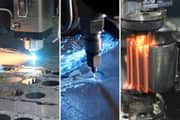
Cold cutting and thermal cutting both separate material, but they do not leave the same part behind. Thermal cutting uses heat to melt, burn, or vaporize material, which can create a heat-affected zone, distortion, hardening, discoloration, and extra cleanup before the part moves into the next operation. Abrasive waterjet is a cold cutting process, so it removes material without adding that heat into the job.
For sensitive parts, that difference matters right away. A fabrication shop may cut aluminum panels in the morning, titanium brackets by lunch, and a composite laminate before the shift ends. Each job may have different requirements, but the risk is the same: heat from the cutting process can follow the part into machining, welding, finishing, inspection, forming, or assembly.
OMAX abrasive waterjet systems avoid that problem by cutting without creating a heat-affected zone. A high-pressure stream of water and garnet abrasive removes material mechanically instead of thermally, helping protect the edge condition, surface integrity, coating, and dimensional stability of the part. If there is a secondary process after cutting, Heat Affected Zone (HAZ) always matters because every following step can expose damage created at the cut edge.
This Cold Cutting vs Thermal Cutting guide looks at material compatibility, thickness, edge quality, tolerances, throughput, secondary operations, and overall production costs through that lens. Cutting is often only the first step. When the part still has to be machined, welded, inspected, finished, or assembled, waterjet helps reduce distortion, rework, and HAZ-related cleanup so good parts can move through production faster.
The Sensitive-Part Cutting Decision
A thin aluminum panel may require straightening before assembly if it distorts. A titanium part may need a clean, consistent edge because it has to hold up under repeated stress. Composite materials can be even less forgiving, with heat contributing to delamination, fiber damage, or cosmetic defects.
In every case, the challenge goes beyond creating the shape. The part still has to perform after it leaves the cutting table.
Experienced fabricators look past cutting speed alone. They look at edge condition, material integrity, finishing requirements, and everything that happens downstream. If a component is heading to machining, welding, forming, anodizing, inspection, or final assembly, waterjet gives the shop a way to protect the part before those steps begin.
Cold Cutting vs Thermal Cutting: What Changes at the Cut Edge?
Most plate-cutting technologies fall into one of two categories: thermal cutting or cold cutting. Laser, plasma, and oxyfuel cutting use heat to melt, burn, or vaporize material. Abrasive waterjet cutting uses mechanical erosion to remove material without introducing thermal energy into the cut zone.
Thermal cutting creates heat that can carry into the rest of the job. A thermal-cut edge may look acceptable, but the shop may still have to deal with distortion, hardening, discoloration, coating damage, or stress in the material before the part can move to machining, welding, finishing, inspection, or assembly. That extra work takes time, adds cost, and can turn a clean cut into a production problem.
Cold cutting removes that heat from the job. With abrasive waterjet, the shop is cutting the shape without building HAZ-related cleanup into the next step. That means fewer surprises after the cut, less rework before the part moves on, and a better chance that the part is ready for the next operation when it comes off the table.
What Is Cold Cutting?
Cold cutting separates material without exposing it to temperatures that alter its properties. In an abrasive waterjet, garnet abrasive is accelerated by an ultra-high-pressure water stream and directed at the workpiece. The abrasive does the cutting, allowing the system to process materials ranging from aluminum and stainless steel to titanium, composites, ceramics, glass, and stone.
Because the process removes material with abrasive instead of heat, there is no heat-affected zone along the cut edge. Waterjet gives shops a way to cut aluminum, stainless, titanium, composites, glass, stone, and other materials without adding heat damage to the job. It also helps when the schedule is full of mixed-material work, prototypes, or one-off parts where switching processes every time would slow everything down.
How Thermal Cutting Separates Material
Laser, plasma, and oxyfuel cutting all use heat, but they do it in different ways. Laser focuses energy into a narrow cutting path. Plasma uses an electrically conductive gas stream. Oxyfuel cutting uses fuel gas and oxygen to burn through steel plate. These processes can move fast, but they still introduce heat into the part. For sensitive materials or parts with secondary operations, that heat can become the issue the shop has to manage after cutting.
Waterjet avoids that tradeoff by removing material without melting, burning, or vaporizing the cut edge.
For shops that need parts ready for the next process, removing heat from the cut can reduce cleanup, limit distortion, and make the handoff to the next operation more predictable. Why No Heat-Affected Zone Matters
A heat-affected zone creates risk anytime the part has to keep moving through production. Thermal-cut parts may perform well in many jobs, but sensitive materials leave less room for distortion, hardened edges, discoloration, or cleanup before the next step. Waterjet removes that concern by cutting without a HAZ
Consider a heat-treated aluminum component where strength must remain consistent. Or a stainless-steel part destined for a corrosive environment. Or a composite laminate where edge quality and material stability directly affect performance. In those situations, removing heat from the equation eliminates one variable that could affect the finished part.
Abrasive waterjet earns its place when material properties, edge quality, appearance, and downstream work all matter. It protects the part from the first operation forward, giving manufacturers a cleaner starting point for machining, welding, finishing, inspection, and assembly.
For manufacturers comparing cold cutting vs thermal cutting, the strongest case for waterjet shows up after the cut. Thermal cutting can be fast, but speed at the table does not help if the next step requires straightening, grinding, inspection delays, or HAZ-related cleanup. Abrasive waterjet gives shops a cleaner starting point by protecting the part before it reaches the next operation.
FAQs About Cold Cutting with Waterjet
How does a waterjet cut without heat?
A waterjet cuts with pressure and abrasive instead of flame, arc, or focused light. Water is pressurized and pushed through a small orifice to create a high-velocity stream. Garnet abrasive is pulled into that stream and accelerated through the cutting head. When it reaches the material, the abrasive removes tiny particles through erosion. The part is cut mechanically, not thermally, which helps keep the workpiece closer to the way it was before cutting started.
What materials benefit most from cold cutting?
Cold cutting is most useful when heat can create problems that show up later. Aluminum, stainless steel, titanium, hardened steels, composites, laminates, glass, stone, ceramic, and coated materials can all benefit from a process that does not add a heat-affected zone. It also matters when a part needs to move straight into machining, welding, inspection, or assembly without extra cleanup.